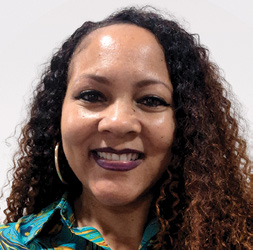

How do you manage work during cancer treatment or after it ends? What should you share with your employer, and what support is available? Wannette Stevens-Fripp is the lead oncology clinical social worker with Northside Hospital Behavioral Health Services. In this Q&A, she answers common questions and offers guidance to help you balance your health, work and well-being during and after treatment.
Will I be able to work safely during my treatment? Could treatment impact my concentration, energy level and immune system?
Yes, working during treatment is possible for many, but it is important to monitor fatigue, infection risk and overall tolerance. Along with implementing protective measures (infection prevention, breaks, etc.), it is important to share any symptoms with your oncologist or behavioral health team so you can plan a safe work schedule. Additionally, it is helpful to plan a reduced workload and notify your behavioral health team if you begin to experience anxiety, distress or depression.
Who should I tell about my condition, and how much information should I share?
Disclosure is a personal decision with pros and cons to consider. Sharing may facilitate understanding and accommodations and open doors for additional resources; however, it may also raise concerns about stigma or discrimination. It is suitable to share with human resources or a supervisor only what is necessary to support any needed accommodations (for example: “I will have periodic medical appointments and may need flexibility,” rather than full details of a diagnosis). A counselor, social worker or occupational rehabilitation specialist can help you plan how and who to tell.
What are my rights at work? Can I request reasonable adjustments?
Research shows that employees have rights at work, and that reasonable adjustments (accommodations) can be made for you in the workplace. The adjustments will help you do your job effectively and continue to be an asset to your employer during this time.
Examples include:
- Reducing or modifying physically strenuous tasks
- Flexible hours or part-time work
- Telework or remote work, when possible
- More frequent rest breaks
- A private workspace to reduce infection risk
- Adjusted deadlines or fewer projects
- Assistive tools or ergonomic equipment
Are there legal protections for individuals working during and after treatment?
It is important to be knowledgeable about your employer’s policies, the laws that govern them, and the benefits/resources available to you during this time, so you are empowered to make the best plan of action. There are laws that protect you from retaliation for using protections. When requesting accommodations or leave, your employer may require medical certification.
The Family and Medical Leave Act (FMLA) allows eligible employees to take up to 12 weeks of unpaid, job-protected leave for serious health conditions, including cancer treatment and recovery. The American Cancer Society describes how cancer treatment can qualify under FMLA; eligibility requirements may apply.
Blood Cancer United's Employment Rights of Cancer Survivors and Caregivers highlights that employers cannot discriminate based on cancer history when you are qualified for a job and must provide accommodations.
Individuals with Cancer in the Workforce and Their Federal Rights is a document that links to the Americans with Disabilities Act (ADA) and other disability and discrimination laws. In the United States, the ADA/ADA Amendments Act protects individuals with disabilities, which may include those with cancer diagnoses or treatment effects, from discrimination and mandates reasonable accommodations when one is “qualified.”
Organizations such as Cancer and Careers, Triage Cancer, the National Cancer Legal Services Network and CancerCare provide summaries of these protections for cancer survivors and more.
What resources (emotional, financial, logistical) are available for someone undergoing treatment while working?
A behavioral health professional can aid you in multiple ways as you transition through treatment.
Available resources include:
- Emotional/psychosocial: psycho-oncology counseling, support groups, peer support, behavioral health interventions, stress management, cognitive rehabilitation
- Financial: hospital financial counselors, cancer-specific foundations (local cancer support non-profits), patient assistance programs, grants, co-pay assistance, travel/transportation aid
- Logistical: patient navigators, social workers, vocational rehabilitation services, transportation support, childcare help and home help services.
- Workplace/employment support: Employee Assistance Programs (EAPs), vocational rehabilitation or occupational therapy, legal aid for employment rights, job retraining or job matching.
LEARN MORE ABOUT BEHAVIORAL HEALTH SERVICES AT NORTHSIDE.
References:
- Klaver KM, et al. Journal of Cancer Survivorship. 2020;14(2):168-178.
- Dorland HF, et al. Journal of Cancer Survivorship. 2018;12(3):371-378.
- So SCY, et al. Frontiers in Psychology. 2022;13:866346.
- López-Faneca L, et al. Occupational and Environmental Medicine. 2025;82(6):305-312.
- Duijts SFA, et al. Disability and Rehabilitation. 2017;39(21):2164-2172.
- Forcino RC, et al. JMIR Formative Research. 2023;7:e47263.
- Hyseni F, et al. Journal of Cancer Survivorship. 2022;16(1):165-182.
- Dos Santos BB, et al. Work. 2025:10519815251357580.
- Kollerup A, et al. Economics and Human Biology. 2021;43:101057.
- Le GH, et al. Journal of Cancer Survivorship. 2025;19(3):766-778.
- Neumark D, et al. Industrial and Labor Relations Review. 2015;68(4):916-954.
- Murnaghan S, et al. JBI Evidence Synthesis. 2024;22(4):607-656.
- Lieb M, et al. Psycho-Oncology. 2022;31(6):893-901.
- Halpern MT, et al. Cancer Research Communications. 2023;3(9):1830-1839.
- Hu D, et al. World Journal of Gastroenterology. 2025;31(1):100357.