
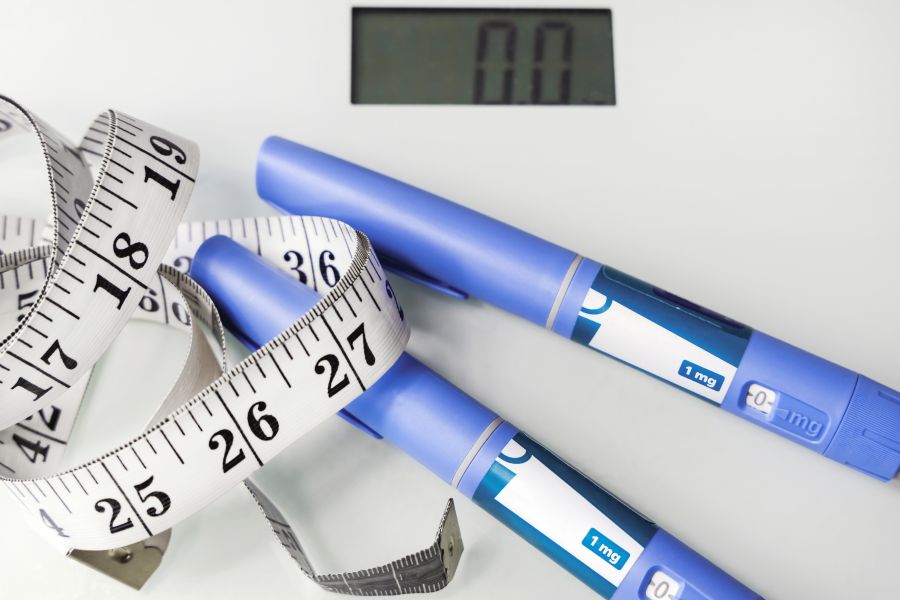
Many people have questions about weight loss, including whether medications work, if intermittent fasting is safe and how much exercise is really needed. Dr. Priyanka Chaudhari, a board-certified family medicine physician with Northside Family Practice, explains what research shows and what matters most for safe, sustainable weight loss.
Do weight-loss medications like GLP-1s work long term?
Medications like Ozempic, Wegovy, Zepbound and Mounjaro have been available for several years and are approved for the treatment of Type 2 diabetes and, in some cases, chronic weight management. Clinical studies have demonstrated that these medications can offer significant benefits, including improvements in cardiovascular health, substantial weight loss and better overall metabolic function when used consistently.
However, potential side effects, such as gallbladder-related issues and, in rare cases, kidney concerns, are still being evaluated. Long-term data on safety and the sustainability of weight loss after discontinuing treatment remain limited and continue to be studied.
The increased attention and demand for these medications for weight-loss purposes have raised questions about appropriate use. Ongoing research is needed to better understand their long-term effectiveness and optimal role in weight management.
Is intermittent fasting safe and effective?
Intermittent fasting is an eating pattern that focuses on when to eat rather than what to eat. There are several popular schedules, the most common being the 16:8 method, in which a person fasts for 16 hours and eats only during an eight-hour window each day. Another widely used approach is the 5:2 method, where normal eating occurs on five days of the week and calorie intake is significantly restricted, often to one modest meal, on the remaining two days.
Overall, intermittent fasting has been shown to be safe and effective for many people when followed appropriately. Periodic fasting has been part of human history and remains a traditional practice in various cultures and religions. However, extended fasts lasting 24, 36 or 48 hours, or longer, are not generally recommended without medical supervision, as they can carry greater risks and may be more harmful than beneficial for most individuals.
How much exercise do you really need to lose weight?
According to major health organizations, including the World Health Organization, Centers for Disease Control and Prevention and American College of Sports Medicine, the general physical activity guidelines for adults are:
- At least 150 minutes per week of moderate-intensity aerobic activity, such as brisk walking, or 75 minutes per week of vigorous-intensity aerobic activity, such as running, plus muscle-strengthening activities on two or more days per week.
This is usually achieved by doing about 30 minutes of moderate-intensity exercise on five days per week, or 15 to 20 minutes of vigorous activity on those days.
Children and adolescents should get at least 60 minutes of moderate- to vigorous-intensity physical activity every day.
However, for sustainable and more significant weight loss, research suggests that most adults benefit from increasing moderate-intensity aerobic activity to 45 to 60 minutes per day, or up to 60 to 90 minutes for some individuals, ideally on five to seven days per week, while continuing strength-training exercises at least twice a week. Combining this higher volume of exercise with a balanced, calorie-controlled diet typically produces the best long-term results.
Are carbs bad? what about fat?
No macronutrient is inherently bad. The body needs carbohydrates, fats and proteins every day in appropriate amounts.
Carbohydrates: Simple or refined carbohydrates, found in sugary drinks, sweets, white bread and highly processed foods, can cause rapid spikes in blood glucose, promote weight gain and increase the risk of metabolic problems when consumed in excess. In contrast, complex carbohydrates from whole grains, fruits, vegetables, legumes, nuts and seeds provide fiber, vitamins, minerals and sustained energy, all of which support good health.
Fats: Fat is an essential nutrient. Saturated fats, found in large amounts in butter, fatty cuts of red meat, processed meats and many fried or junk foods, should be limited. Trans fats and highly refined or processed oils are particularly harmful and best avoided. Instead, focus on unsaturated fats from sources such as nuts, seeds, fatty fish, olive oil, avocados and avocado oil, which are beneficial for heart health and overall well-being when eaten in moderation.
In summary, it is the quality and quantity of carbohydrates and fats that matter most, not the nutrients themselves. A balanced diet rich in whole, minimally processed foods provides the healthiest mix of both.
LEARN MORE ABOUT PRIMARY CARE AT NORTHSIDE.
NEXT: Why weight loss is hard: Metabolism, sleep, stress and hormones