A heart attack — or myocardial infarction — occurs when blood flow to the heart muscle is blocked. Without rapid treatment, the heart muscle begins to die. Recognizing the warning signs and acting quickly can make the difference between life and death.
Recognizing the signs of a heart attack
Heart attacks are not always dramatic. While many people expect sudden, crushing chest pain, symptoms can be subtle or mistaken for something less serious.
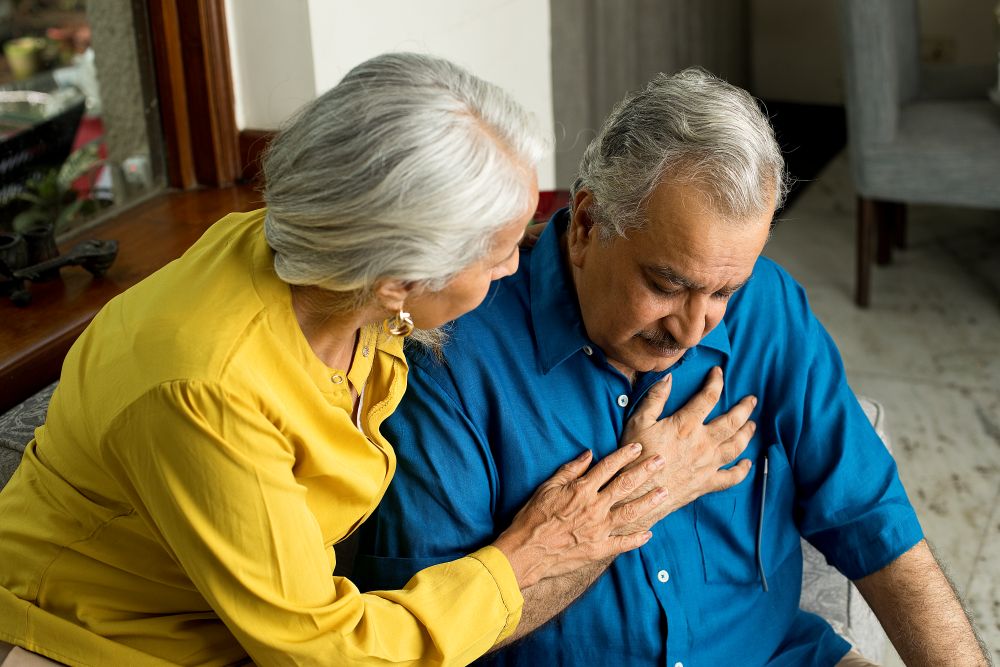
Chest discomfort is the most common sign. It may feel like pressure, squeezing, fullness, tightness, burning, or pain in the center or left side of the chest. The sensation can last more than a few minutes or come and go. Some people — particularly older adults and those with diabetes — describe it as severe indigestion or heaviness rather than sharp pain.
Discomfort can also spread beyond the chest. Pain or pressure may spread to one or both arms, the back, neck, jaw, or upper abdomen. In some cases, individuals experience arm, jaw, or back pain without obvious chest discomfort.
Shortness of breath is another key symptom and may occur with or without chest pain. Some people report a sudden inability to catch their breath or difficulty speaking in full sentences.
Other warning signs can include cold sweats, clammy or pale skin, nausea, lightheadedness, unusual fatigue and a sudden sense of anxiety or impending doom.
Women and older adults are more likely to experience these less typical symptoms.
Some heart attacks are “silent,” causing only mild discomfort while still leading to significant heart damage and increased future risk.
When to call for help
If symptoms last more than 5 minutes — or feel severe — call 911 immediately. Do not drive yourself to the hospital. Early activation of emergency medical services allows paramedics to perform an ECG, begin treatment and transport the patient to a hospital equipped for emergency cardiac procedures. Rapid intervention significantly improves survival and reduces permanent heart damage.
Why CPR at home matters
A heart attack can sometimes lead to cardiac arrest — when the heart suddenly stops beating effectively. In those moments, immediate action from someone nearby is critical.
Most sudden cardiac arrests occur outside the hospital, often at home. Family members or caregivers are usually the only people present. Without CPR, survival decreases by approximately 7 to 10 percent for every minute that passes without defibrillation.
People who receive CPR from a bystander are two to four times more likely to survive than those who receive no immediate help. According to the American Heart Association, expanding access to CPR education remains one of the most effective strategies to improve survival.
Hands-only CPR: simple and effective
For teens and adults who suddenly collapse, Hands-Only CPR — chest compressions without rescue breaths — is highly effective in the first several minutes of cardiac arrest.
It involves just two steps: call 911, then push hard and fast in the center of the chest at a rate of 100 to 120 compressions per minute. The simplicity of this approach reduces hesitation and empowers more people to act confidently in an emergency.
Building a heart-safe community
Communities that invest in CPR training see higher rates of bystander intervention and improved survival from cardiac arrest. The American Heart Association has set a goal of doubling survival from cardiac arrest by 2030, emphasizing early CPR and defibrillation as essential strategies.
Making CPR training accessible through schools, workplaces, faith-based organizations and community events helps ensure more people are prepared to respond. Prioritizing high-risk neighborhoods, older populations and caregivers of individuals with heart disease can further strengthen community impact.
Heart emergencies rarely come with warning. But knowledge — and the confidence to act — can turn bystanders into lifesavers. Recognizing symptoms quickly and learning Hands-Only CPR are simple, powerful steps that protect the people we love most.
LEARN MORE ABOUT NORTHSIDE HOSPITAL HEART INSTITUTE.